Why appoint fluoropolymer in semiconductor wet process
During wafer fabrication, some highly corrosive chemicals include HCI, HF, HNO₃, H₂SO₄are often involved in cleaning and etching process. These chemicals have streme corrosivity, the common materials such as stainless steel, engineering plastics can’t resist such harsh chemicals,as a result,they will suffer corrosion and swelling, perforation damage, further shortening semiconductor equipment service life. In addition,if the pipeline, valves, tanks precipitate metal ion and contaminants, this will directly cause wafer scrapping, the losses is incalculable.
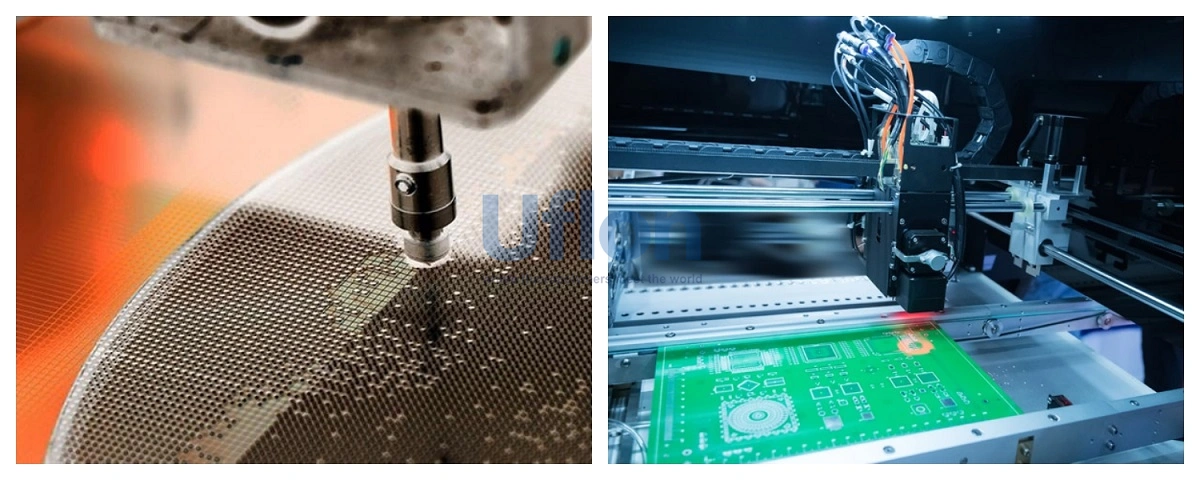
Fluoropolymer due to special molecular structure, it is the optimal choice in semiconductor process.
Based on our years of experience supplying semiconductor clients, we recommend that all components in direct contact with high-purity chemicals and specialty gases be made primarily from fully fluorinated polymers (PTFE, PFA). Partially fluorinated materials such as ETFE and PVDF can be used as alternatives when require higher hardness.
How to specially match fluoropolymer in semiconductor process
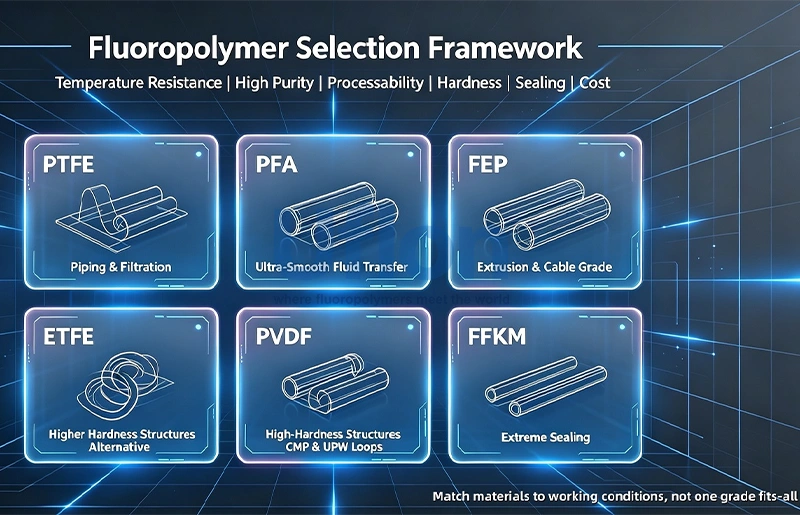
As a professional fluoropolymer manufacturer, we fully understand that no single material can fit all working conditions in semiconductor production lines. We select the material grade for different application scenarios based on four core indicators: temperature resistance, high-purity grade, processing method and mechanical hardness.
Currently, our six core fluoropolymer in semiconductor field include PTFE, PFA, FEP, ETFE, PVDF and FFKM. Our products portfolio have an extremely wide temperature resistance range: PVDF has a long-term service temperature of 160°C, while PTFE withstand high temperatures up to 327°C. This portfolio fully meets the different process requirements, including normal-temperature chemical liquid transfer, high-temperature highly corrosive cleaning, and sealing component applications.
PTFE: The King of Plastics for Piping & Filtration
PTFE, a homopolymer of tetrafluoroethylene, it is widely known as "the King of Plastics". It supports continuous long-term service at 260°C, features outstanding chemical resistance, low coefficient of friction, and excellent electrical insulation properties.
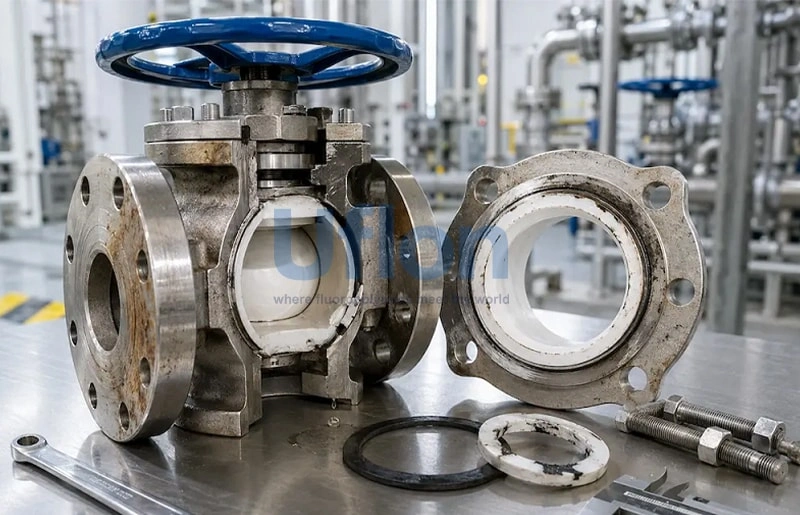
For acid and alkaline chemical transfer piping, corrosion-resistant pumps and valves, chemical storage tanks and large cleaning baths, we offer two solutions:
1.Equipment bodies integrally molded from high-purity PTFE;
2.Seamless lining technology, where PTFE is fully bonded to the inner wall of carbon steel shells. This completely separates highly corrosive chemicals from metal substrates and fundamentally eliminates wafer contamination caused by leached metal ions.
Besides fluid handling equipment, our PTFE can also be fabricated into ultra-precise PTFE filter membranes. Deployed in fresh air systems of semiconductor cleanrooms, they regulate temperature and humidity while efficiently capturing micro-particulate contaminants.
PFA: Core Fluoropolymer in Semiconductor Manufacturing
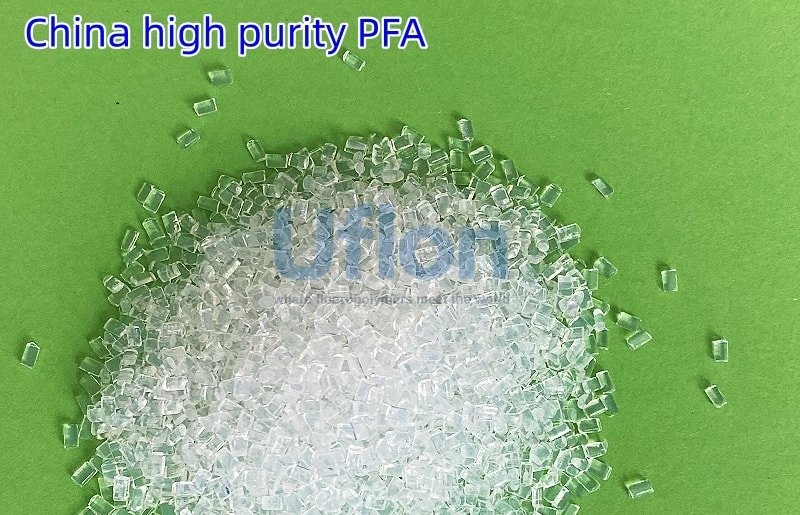
PFA stands for perfluoroalkoxy, a melt-processable PTFE. It can be processed by the common thermoplastic processing ways, such as injection, extrusion, compression molding.
In accordance with standards set by the Society of the Plastics Industry (SPI), machined PTFE has an average surface roughness of approximately 3.2 μm, while injection-molded PFA achieves just 0.05–0.10 μm. This means PFA boasts a surface finish 98.4% superior to PTFE.
PFA excels not only in smoothness but also hydrophobicity. Saint-Gobain conducted a dry-erase marker test: ink pigment remains embedded within the surface layer of PTFE after wiping, however PFA exhibits minimal water affinity and wipes completely clean with ease.
It is estimated that semiconductor applications account for over 80% of total PFA demand. The remaining consumption divide across machinery, medical, and aerospace industries.
FEP / ETFE: Hardness-Grade Alternative Fluoropolymer in Semiconductor
FEP has a lower temperature resistance rating than PTFE (continuous service temperature: 250–280°C), but it is ideal for extrusion tubing, widely applied in cables and air duct linings.
ETFE is an alternating copolymer of ethylene and tetrafluoroethylene, with a service temperature range of 225–270°C. It features higher hardness and superior wear resistance compared to PTFE. The typical application scenarios are as follows:
1.Non-wetted valve assemblies: The structural load-bearing components inside valves that do not come into contact with corrosive chemicals can replace metal with ETFE or PVDF, eliminating the risk of metal ion leaching into high-purity fluids.
2.Encapsulation release films: ETFE packaging release films deliver high light transmittance, anti-adhesion properties and radiation resistance. Remaining a smooth, contamination-free surface after release peeling.
3.Exhaust systems: ETFE spray coating or PFA sheet lining is commonly adopted for ductwork carrying acidic and alkaline waste gas.
PVDF: Common choice in CMP Processes
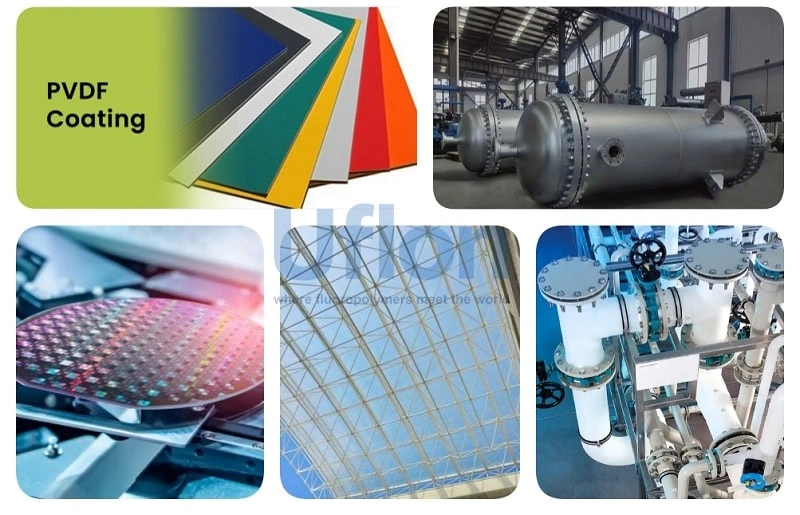
PVDF offers a continuous service temperature of 160–170°C with outstanding rigidity. It is extensively applied for CMP slurry delivery and certain ambient-temperature ultrapure water branches, serving as a cost-effective alternative when PFA is unnecessary.
FFKM: Ultimate Sealing Solution
● Superior chemical resistance: resists over 1,600 chemical medias.
● Wide temperature tolerance: Long-term service range 260–290°C, up to 316°C for short time; its compression set can be kept below 50% even at 300°C.
● Outstanding plasma resistance: Under combined harsh conditions of fluorine/chlorine-containing plasma plus high temperature inside CVD and dry etch chambers, FFKM maintains stable performance without precipitation.
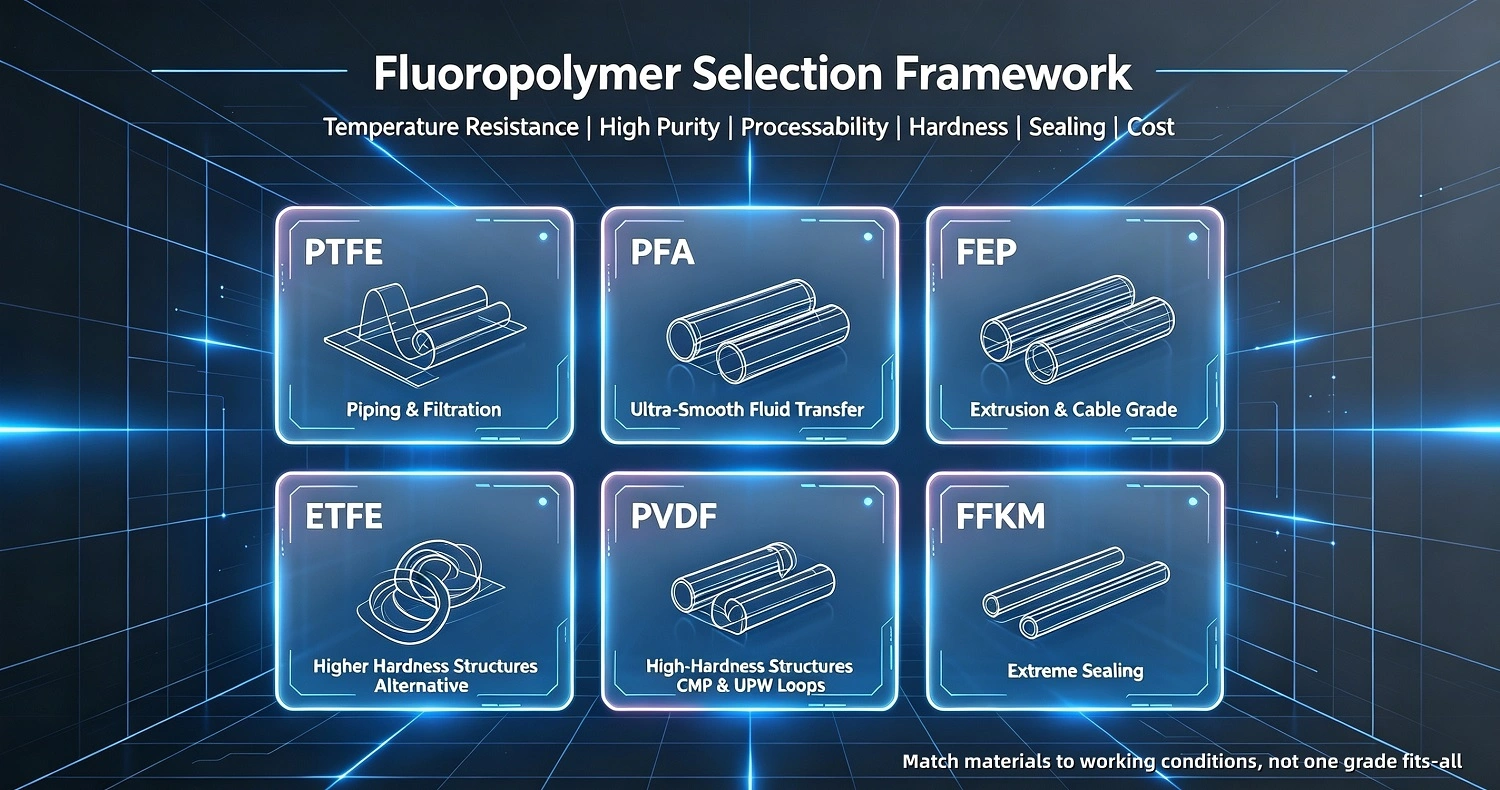
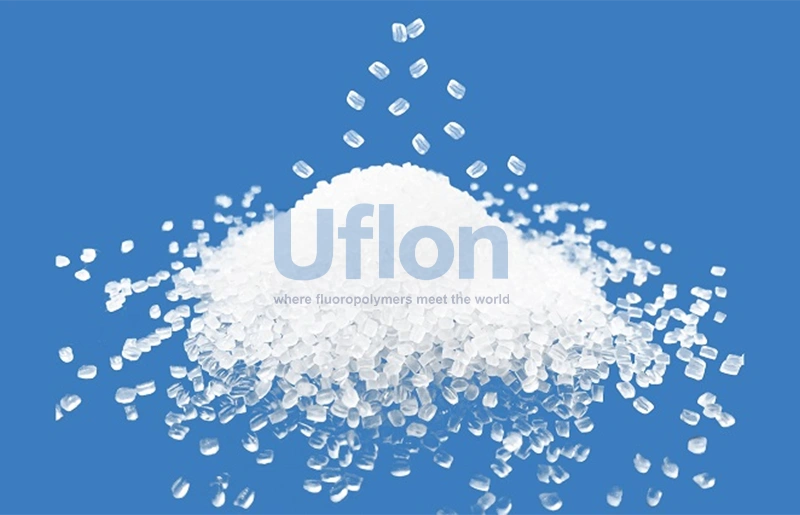
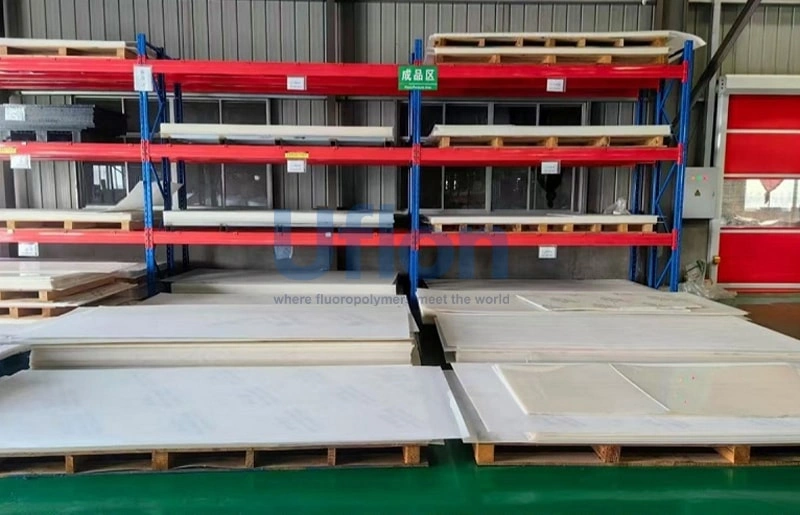
UFLON work as a reliable supplier and exporter deeply specialized in fluoropolymer, we supply a full range of raw materials and semi-finished products covering PTFE, PFA, ETFE, FEP, PVDF and FFKM, delivering well-matched, affordable solutions for diverse application scenarios.
100 meters northwest of Changiiafang Village Committee, Gaoging County, Zibo City, ShandongProvince
Copyright © 2025 by Zibo Uflon New Material Technology Co., Ltd. All Rights Reserveds
Privacy Policy