Introduction
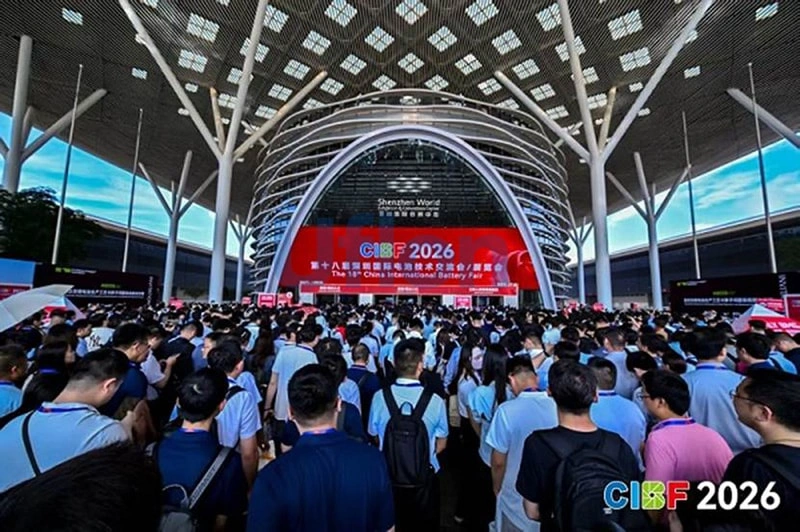
CIBF 2026 came to an end. In this expo, semi-solid battery emerging as the major technological highlight, it is a vital bridge that connect conventional liquid lithium-ion batteries with next-generation full-solid batteries.
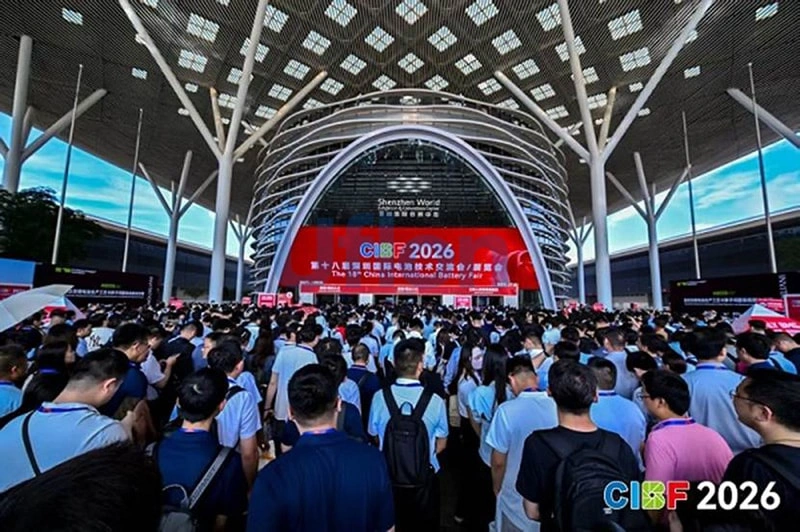
Text
At present, multiple domestic Chinese companies have mastered the mass production of semi-solid battery. BAK Battery’s semi-solid products achieve leading energy density, offering a 30% to 50% increase in driving range compared to the conventional liquid lithium-ion batteries. SVOLT announced that its semi-solid batteries will go into mass production this September. While keeping costs on par with liquid batteries, the new products achieve a notable improvement in safety performance.
1.CIBF 2026 clearly indicates that the power battery industry is no longer dominated exclusively by “liquid lithium-ion batteries “.
2.Semi-solid battery has taken the lead to enter a period of explosive mass production, rely on high compatibility with existing production lines for liquid lithium-ion batteries, low retrofitting costs and manageable technical risks.
3.Full-solid batteries are still in the research, development and trial production phase. The industry reaches a consensus that small-batch manufacturing will start between 2027 and 2030.
4.Meanwhile, sodium-ion batteries also made a prominent appearance at the exhibition, they are rapidly gaining ground in low-speed electric vehicles, energy storage and other fields.
Going forward, four technical routes — liquid lithium-ion battery, semi-solid battery, full-solid battery and sodium-ion battery — will advance in parallel. The industry is evolving from single-technology dominance to a diversified landscape, catering to various demands across end markets.
Conclusion
In this industrial boom, fluoropolymers PVDF and PTFE stand as key auxiliary materials for both wet and dry electrode processes, with their value fully proven at CIBF 2026.
PVDF remains the primary binder for wet processing, featuring excellent resistance to electrolyte corrosion and stable cycling performance.
PTFE serves as the core material for dry-process electrodes. Eliminating toxic solvents such as NMP, the dry process uses mechanical shearing to fibrillate PTFE and form a fibrous network. With an extremely low dosage of 0.5% to 2%, it firmly interweaves active materials and conductive additives into self-supporting electrode sheets. This process is highly compatible with the requirements of semi-solid battery.
At CIBF 2026, the semi-solid batteries showcased by CATL, SVOLT and other enterprises all adopt PTFE-based dry-process electrodes as a key technical route, with plans to launch mass production between 2026 and 2027.
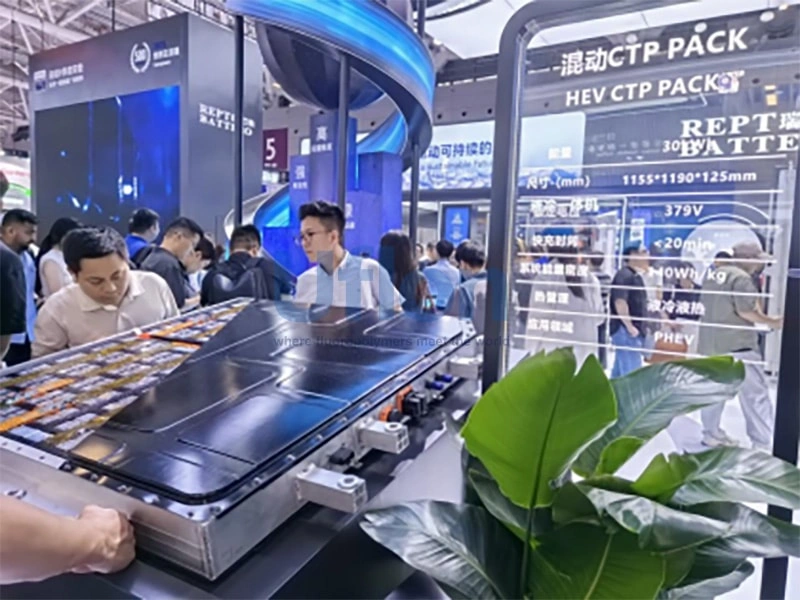
As semi-solid battery enter a period of rapid mass production, fluoropolymers have gained greater strategic importance in the material system of power batteries, acting as a vital link that bridging the era of liquid batteries and solid-state batteries.
About UFLON
As a developer and manufacturer of fluoropolymers who keeping pace with cutting-edge innovative applications, we actively focus on key material sectors for new energy, specializing in the R&D, production, and application of high-performance fluoropolymer resin.
If you are needing support related with fluoropolymers, welcome contact us today!
PVDF for battery binder:
https://www.ultrafluoropolymer.com/pvdf-powder/pvdf-resin-for-lithium-battery-binder
PTFE dry electrode binder:
https://www.ultrafluoropolymer.com/ptfe-fine-powder/ptfe-dry-electrode-binder
100 meters northwest of Changiiafang Village Committee, Gaoging County, Zibo City, ShandongProvince
Copyright © 2025 by Zibo Uflon New Material Technology Co., Ltd. All Rights Reserveds
Privacy Policy