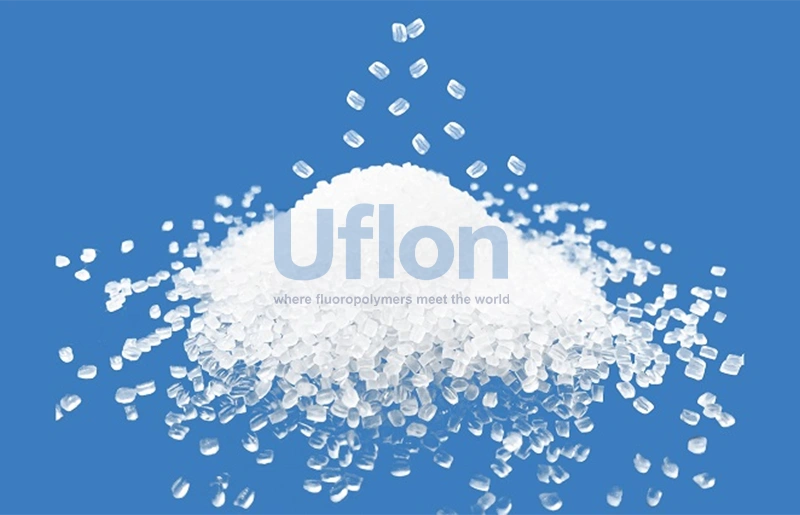
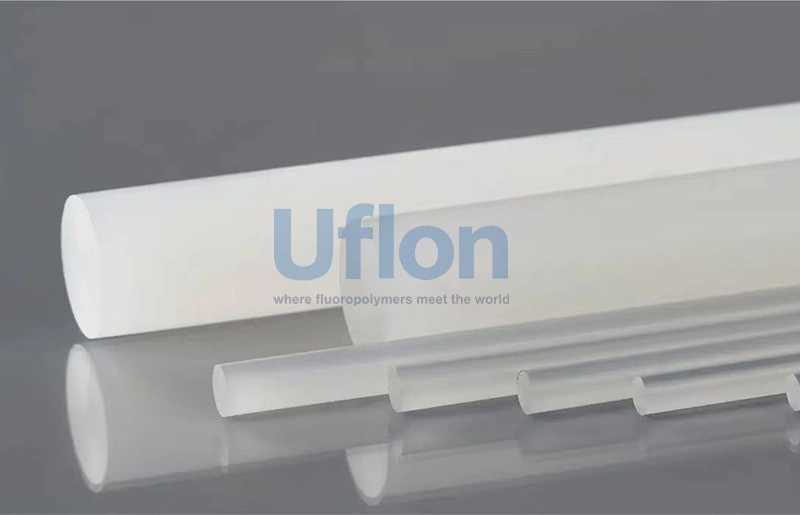
Polytrifluorochlorotrifluoroethylene (PCTFE) is the earliest developed thermoplastic fluoropolymer. It was developed as early as 1934. China began to research PCTFE material in 1959 and achieved successful trial production in 1960. PCTFE is a thermoplastic fluoropolymer formed by polymerizing trifluorochlorotrifluoroethylene. The low-molecular-weight form is a liquid or waxy substance, while the high-molecular-weight form is a white solid or dispersion.
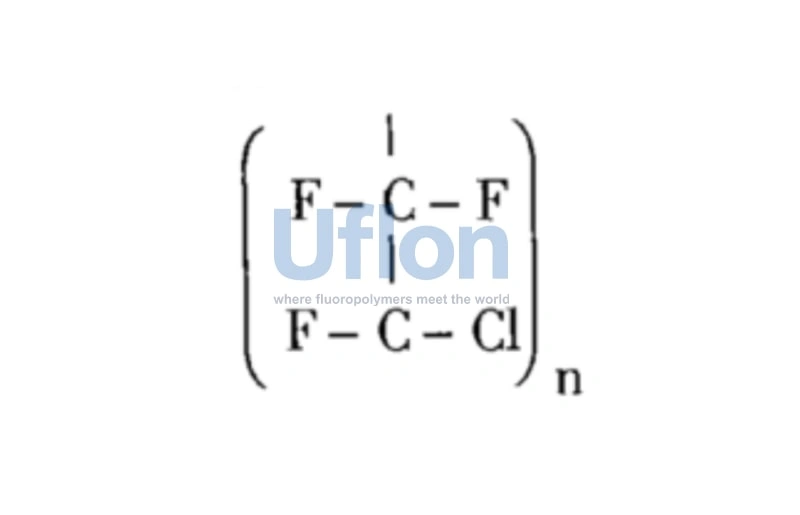
The F atoms in the molecular structure give the polymer chemical inertness, while the Cl atoms confer transparency, thermoplasticity and hardness to the polymer. Therefore, PCTFE is a high-quality thermoplastic resin with excellent stability, heat resistance, non-flammability, non-hygroscopicity, non-permeability and chemical inertness. The presence of C-Cl bonds in the molecular structure results in good hardness, rigidity and creep resistance of PCTFE material.
PCTFE material possesses several remarkable properties. Here are some of the most prominent aspects:
1. Excellent chemical corrosion resistance
The fluorine and chlorine atoms in the PCTFE molecular structure form a tightly wrapped carbon skeleton, making it highly stable against most chemical substances (including strong acids, strong bases, organic solvents, etc.), and it can only be corroded by molten alkali metals or chlorosulfonic acid at high temperatures. Its chemical inertness is second only to PTFE.
2. Outstanding low-temperature resistance
In extreme low-temperature environments such as liquid nitrogen (-196℃), liquid oxygen, and liquefied natural gas, PCTFE material will not crack or undergo creep, and even at conditions close to absolute zero (-273℃), it can still maintain good physical properties. It is an ideal material for low-temperature engineering and cryogenic applications.
3. Extremely low gas and water vapor permeability
PCTFE material is one of the materials with the lowest water vapor permeability among all plastics. It has excellent barrier properties against water vapor and gases, and can be used as an efficient barrier material. It is widely applied in packaging, sealing, and moisture-proof fields, such as electronic components and pharmaceutical packaging.
4. Good mechanical properties
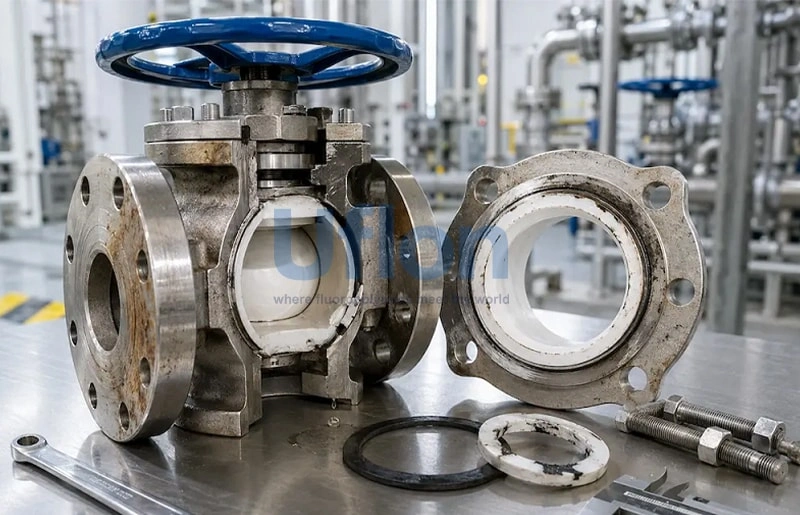
Compared to PTFE, PCTFE material has higher tensile strength, compressive strength, and hardness, a larger compression recovery rate, and excellent anti-warping performance, making it suitable for manufacturing high-precision mechanical components, valve seats, seals, etc.
5. Excellent electrical insulation performance
The dielectric constant and dielectric loss factor of PCTFE material are extremely low over a wide frequency range. The insulation resistance and dielectric breakdown voltage are high, and they are almost unaffected by temperature and humidity. It is a high-performance high-frequency insulation material and is suitable for applications in electronic appliances, cable sheaths, etc.
6. Optical transparency
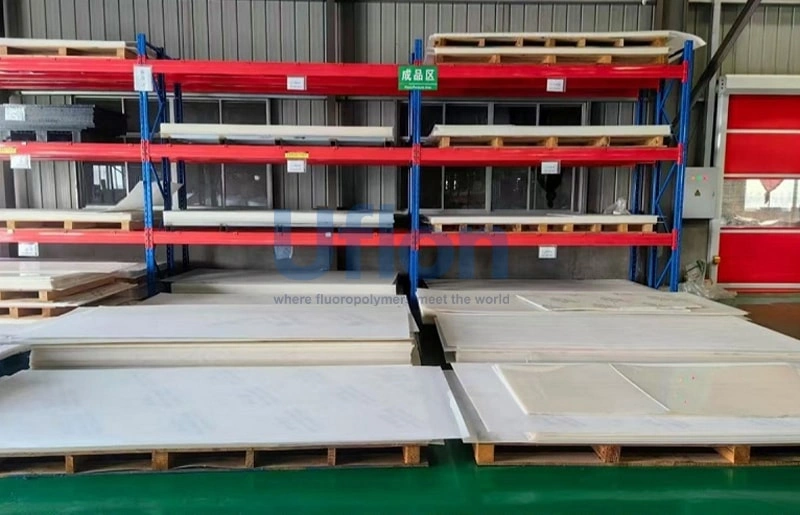
A 3mm thick PCTFE sheet has optical transparency. A 2μm thick film has a transmittance of up to 95% for 1-4μm infrared light, and has a low ultraviolet light absorption rate, which can be used to manufacture optical windows, transparent pipes, and other components with transparency requirements.
7. Flame retardancy and weather resistance
PCTFE material has self-extinguishing properties, with an oxygen index of up to 95%, and excellent flame retardancy. At the same time, it has good weather resistance and is minimally affected by performance degradation when exposed to outdoor sunlight for a long time. It is suitable for outdoor and harsh environment applications.
100 meters northwest of Changiiafang Village Committee, Gaoging County, Zibo City, ShandongProvince
Copyright © 2025 by Zibo Uflon New Material Technology Co., Ltd. All Rights Reserveds
Privacy Policy