About PFA material
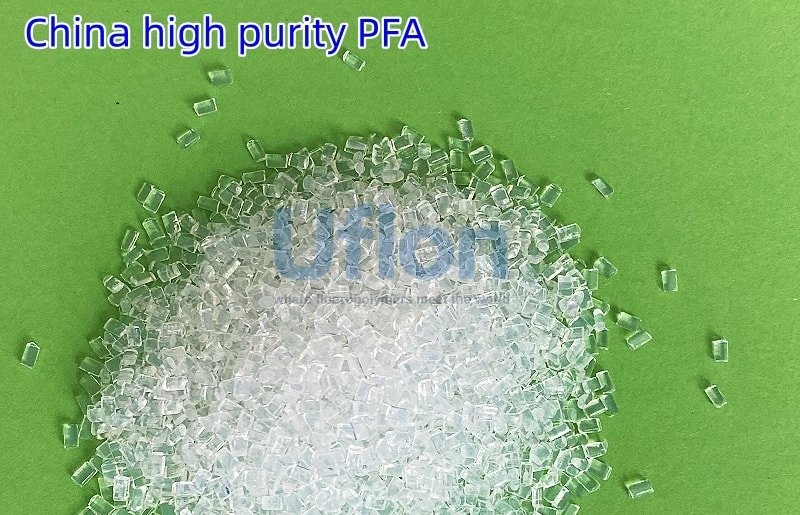
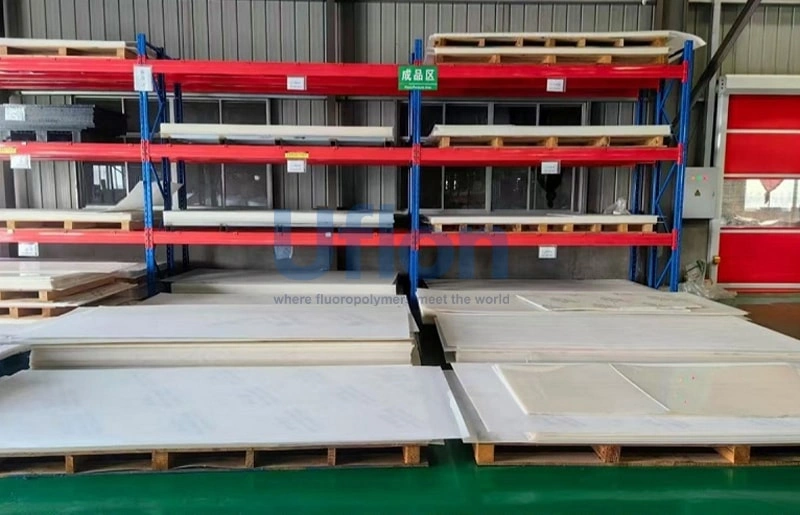
PFA, full named polytetrafluoroethylene-perfluoroalkyl vinyl ether, which is a high-performance fluoroplastic that demonstrates unique value in numerous industrial fields. The excellent chemical stability, high-temperature resistance, corrosion resistance, and low coefficient of friction make it a focal point in the field of materials science.
Processing ways of PFA material
1.PFA extrusion
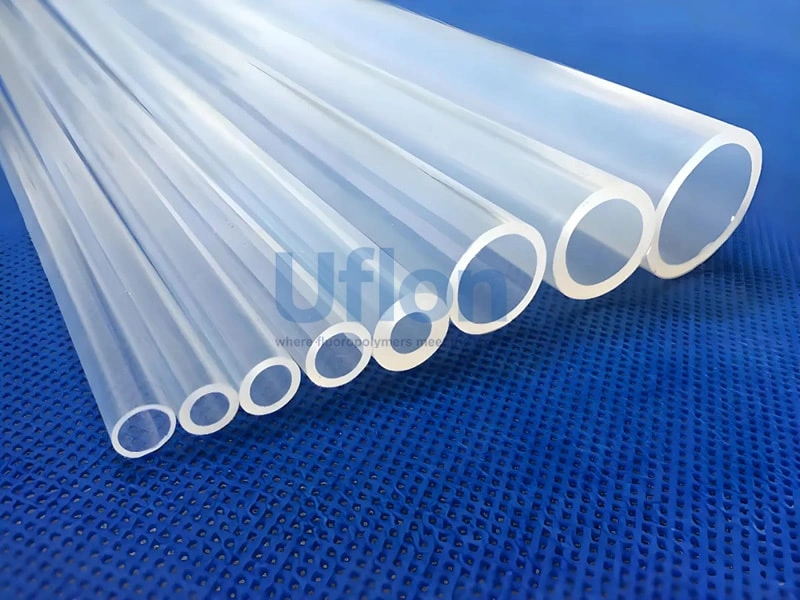
Extrusion molding is one of the commonly used processing methods for PFA, and it is suitable for producing profiles such as pipes, rods, cable insulation layers, and films.
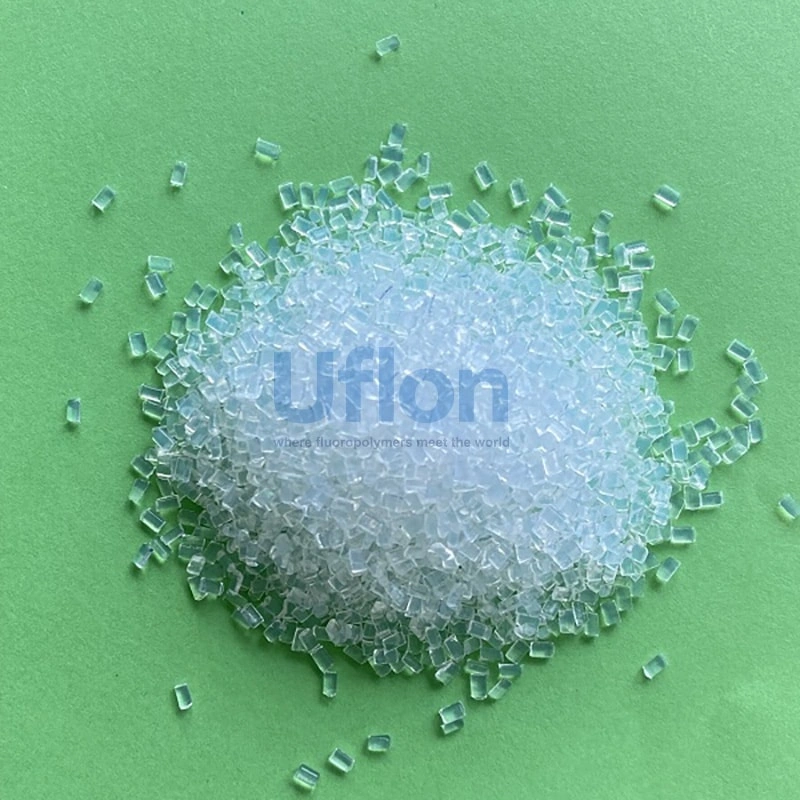
Feeding PFA granules into a heated extruder barrel, heating and mixing them through a rotating screw, and pushing them into a die to form a continuous profile. PFA extrusion molding requires precise temperature control (usually 350 to 400℃), and the die also needs to be preheated to a suitable temperature (around 150 to 200℃) to reduce thermal degradation of the material and ensure good surface quality and dimensional stability.
Extrusion molding enables efficient and continuous production of PFA material, and the external dimensions and cross-sectional shape of the product can be precisely controlled by adjusting the shape and size of the die.
2.PFA compression molding
Compression molding is suitable for preparing PFA products with larger dimensions or high shape accuracy requirements, especially when the melt index of PFA material is in the range of 0.8~3.0 g/10 min.
Feeding PFA resin in a preheated mold, where it melts and fills the mold cavity under high temperature and pressure. The molding temperature is usually 330 to 380℃, and the pressure is between 5.0 and 14.0 MPa. The molding temperature needs to be maintained for a period of time to ensure that the PFA resin is evenly distributed and completely fills the mold, followed by slow cooling and demolding.
Compression molding can effectively control the thickness and density distribution of products, and has unique advantages for producing PFA sheets, gaskets, seals and other products.
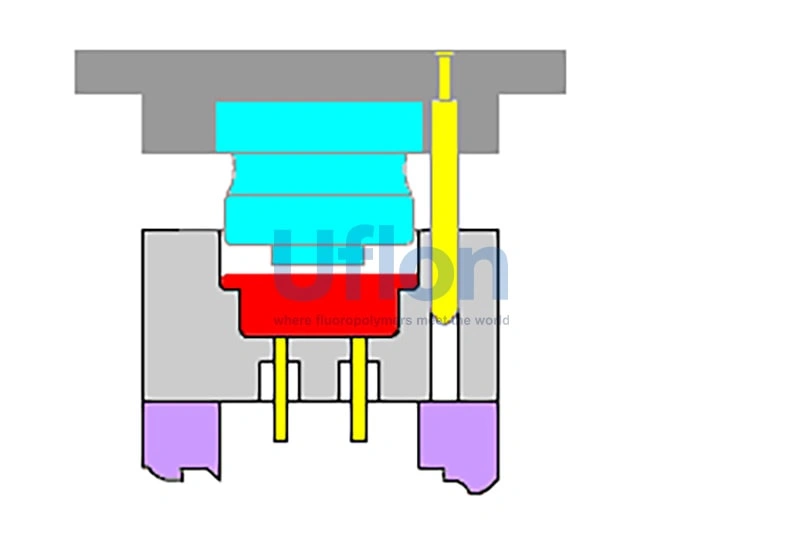
3.PFA injection molding
Injection molding is suitable for producing small to medium-sized PFA parts with complex shapes, such as seals, valve components, semiconductor wafer carriers, and pipe fittings.
Feeding PFA material into the machine barrel and heat to melt it. Then, the screw is driven forward by the hydraulic system, injecting the molten PFA into the pre-designed mold cavity at high pressure and high speed. Inside the mold, the PFA melt rapidly fills the cavity under pressure and gradually cools and solidifies under the action of the cooling system, ultimately forming a product that conforms to the shape of the mold cavity.
The process utilizes a reciprocating screw injection molding machine to effectively control the heating, mixing, and injection process, ensuring uniform melting and rapid injection of the material . The molding temperature is typically set between 350 and 400℃ and it should be strictly controlled to prevent material decomposition or discoloration.
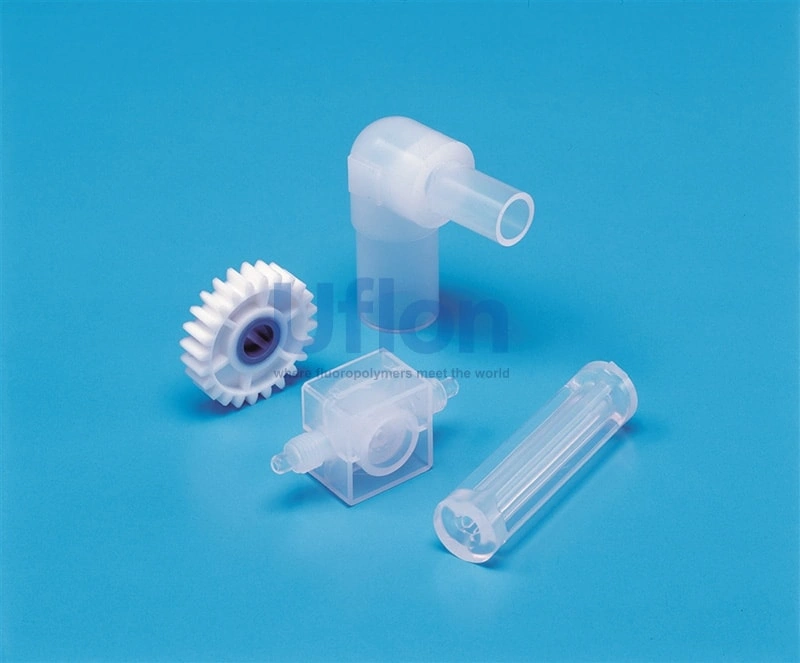
4.PFA transfer molding
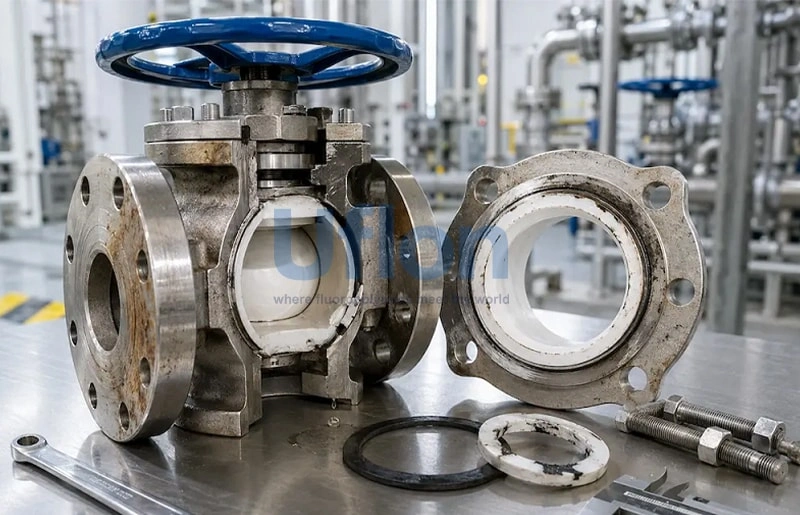
Suitable for processing products with large dimensions, high precision and small quantities, such as linings for large valves, pump casings, flow meters, and pipe fittings.
5.PFA electrostatic spraying
By spraying PFA powder, it can form the protective film on the surface of metals or other materials.
6.PFA rotational lining
Suitable for molding containers, storage tanks, T-tubes and elbows, as well as the hollow products that difficult to mold by coating and lining methods.
7.PFA heat melt welding
Melting the PFA material by heating and then cooled and solidified it to form a welded joint.
8.PFA blow molding
Suitable for producing hollow products, such as bottles and buckets.
9.PFA vacuum forming
By applying vacuum, PFA material is bonded to the mold to form a product of the desired shape.
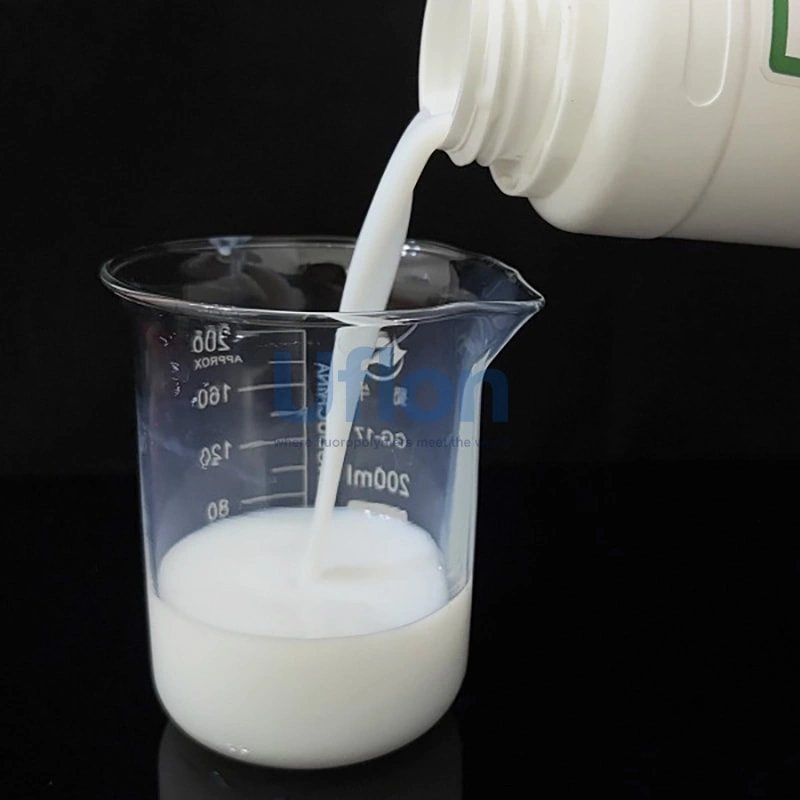
10.PFA dispersion coating
PFA dispersion coating is a special processing method that can form a uniform PFA coating film on the surface of various substrates.
PFA dispersion is coated to the substrate surface by spraying, impregnating or brushing, followed by drying and sintering. During drying, the solvent in the dispersion evaporates, causing the PFA particles to form a continuous thin film on the substrate surface. Sintering involves melting and bonding the PFA particles together at high temperatures, to form a dense and smooth coating film with excellent properties.
This processing method can give the substrate good non-stick properties, corrosion resistance and wear resistance, it is suitable for the production of composite materials. It is widely used in the field of surface protection for chemical equipment, food processing machinery, molds and other fields.
Application fields of PFA material
1. Chemical Industry
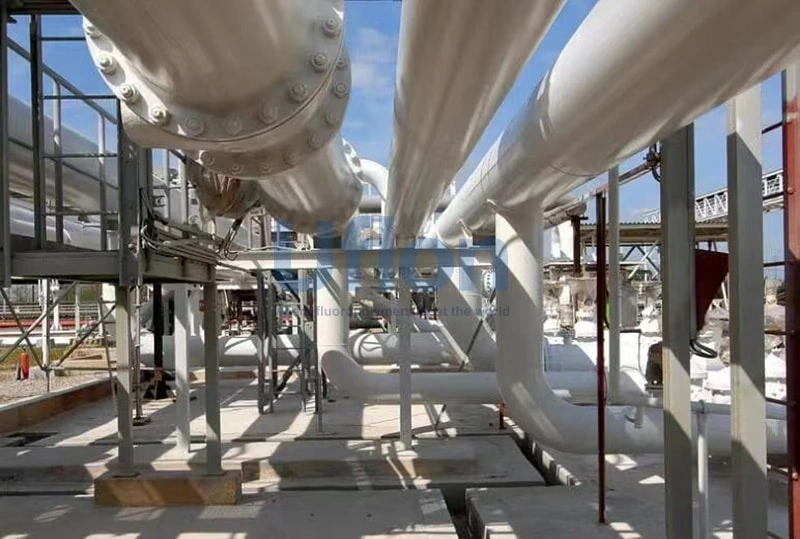
PFA pipes and fittings are widely used in chemical fluid transportation systems, maintaining excellent chemical stability and ensuring the long-term reliable operation of equipment.
PFA seals and gaskets play a crucial sealing role at the connection points of chemical equipment, effectively preventing leakage of chemical media and ensuring the safety and environmental protection of chemical production processes.
PFA-lined reactors, storage tanks, and other equipment combine the corrosion resistance of PFA with the high strength of metallic materials, meeting the stringent corrosion resistance requirements of chemical reactions while ensuring structural stability under high-pressure environments.
2. Semiconductor Manufacturing
PFA's extremely low impurity content and excellent chemical stability make it an ideal material for various critical processes in semiconductor manufacturing.
PFA tubes, used as conduits for high-purity gases and liquids, ensure the purity of the process and prevent impurities from affecting product quality. PFA material is also used to manufacture components such as wafer carriers to meet the requirements of high-temperature operation and avoid contamination of sensitive components.
PFA films can be used for surface protection of semiconductor chips, preventing contamination and damage during processing, transportation, and storage.
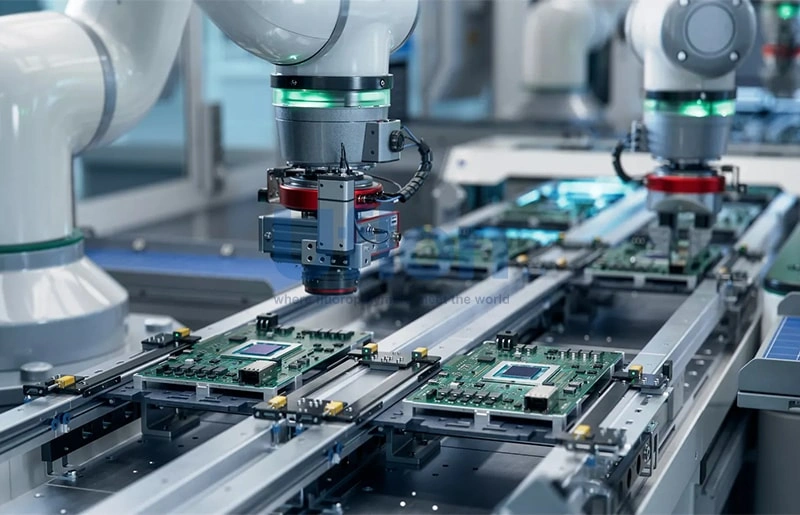
3. Electronics and Electrical Engineering
PFA is primarily used in the electronics industry as an insulating material for cables, connectors, and other high-performance electronic devices. Its excellent electrical properties not only ensure the normal operation of electronic equipment but also significantly improve the safety and reliability. Furthermore, PFA is used to manufacture components such as sensor housings to protect against external influences.
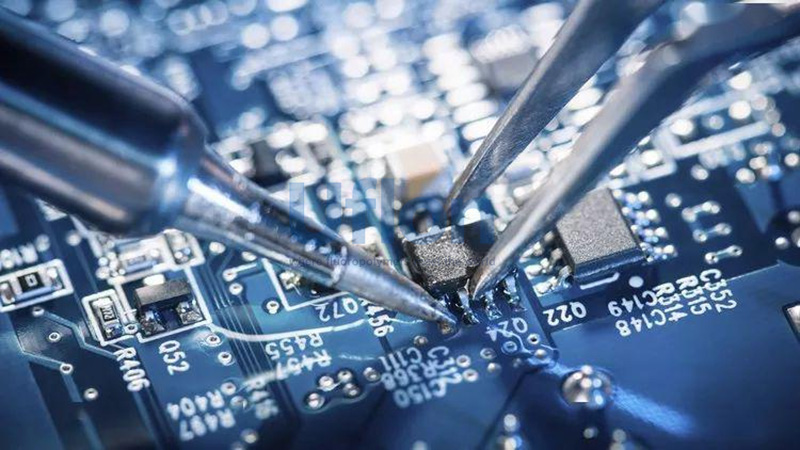
4. Food Processing
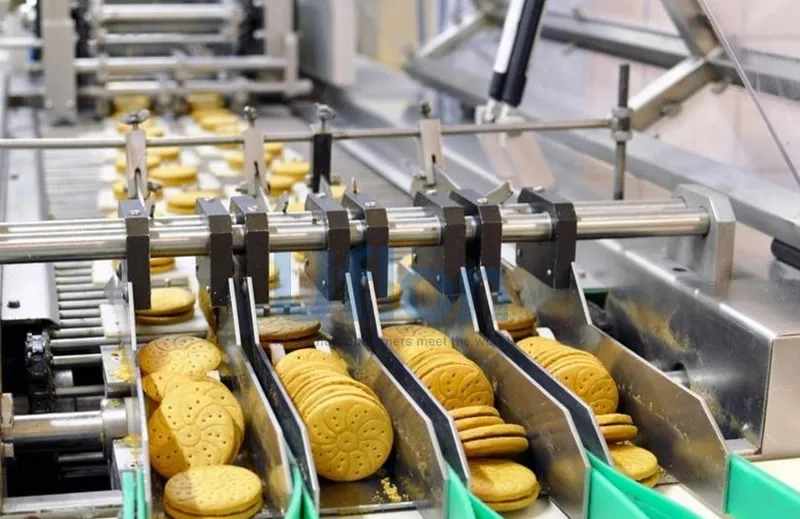
PFA pipes and fittings are used for transporting food and beverages, ensuring the purity and taste of the food fluid are not affected.
PFA-coated baking trays, baking paper, and other baking utensils can effectively prevent food from sticking, easy to clean, and do not release harmful substances during high-temperature baking, ensuring food safety and hygiene.
Adopting PFA material to produce seals and agitator blades in food processing equipment, which can meet the long-term use requirements of the equipment in humid and acidic/alkaline environments while ensuring safety in contact with food, preventing contamination and odors, and providing consumers with healthy and safe food.
5. Aerospace
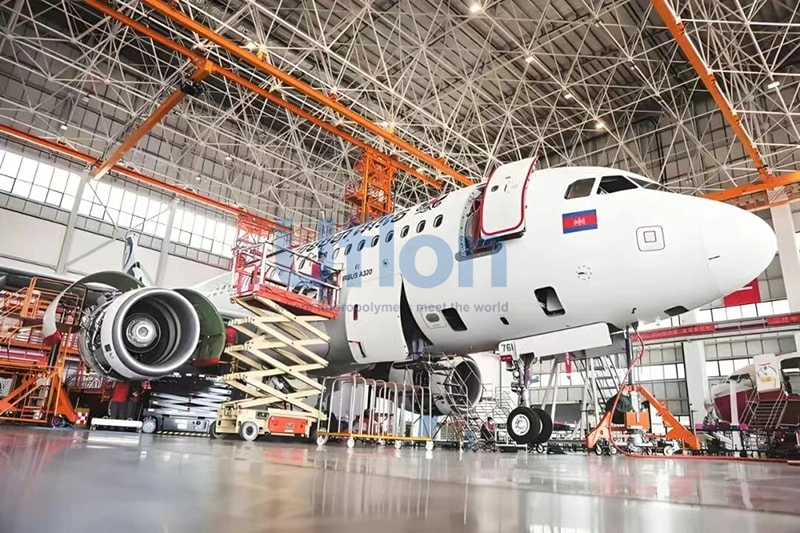
In aircraft fuel systems, PFA tubing and fittings are used to transport aviation fuel. Their resistance to fuel corrosion and extreme temperatures adapts to the fuel delivery requirements of aircraft at different flight altitudes and ambient temperatures, ensuring the safe and reliable operation of the fuel system.
PFA seals and gaskets play a crucial sealing role in critical components such as aircraft engines and hydraulic systems, withstanding extreme conditions such as high temperature, high pressure, and high-speed rotation, providing a solid guarantee for flight safety.
PFA insulation materials are used in aircraft electrical systems, maintaining excellent electrical insulation performance in harsh environments such as high temperature, high humidity, and strong electromagnetic interference, ensuring the normal operation of aircraft electrical equipment.
In spacecraft, PFA material can be used to manufacture coatings for satellite solar panels, improving the weather resistance and radiation resistance of the panels and extending the satellite's lifespan. Meanwhile, PFA also has potential applications in spacecraft propulsion systems and life support systems, contributing to humanity's great journey of exploring the universe.
6. Automobile Manufacturing
PFA is primarily used in the automotive industry to manufacture high-temperature and chemically resistant automotive parts, such as fuel system components. These parts maintain stable performance under harsh operating environments, extending the service life of the vehicle.

7. Environmental Protection
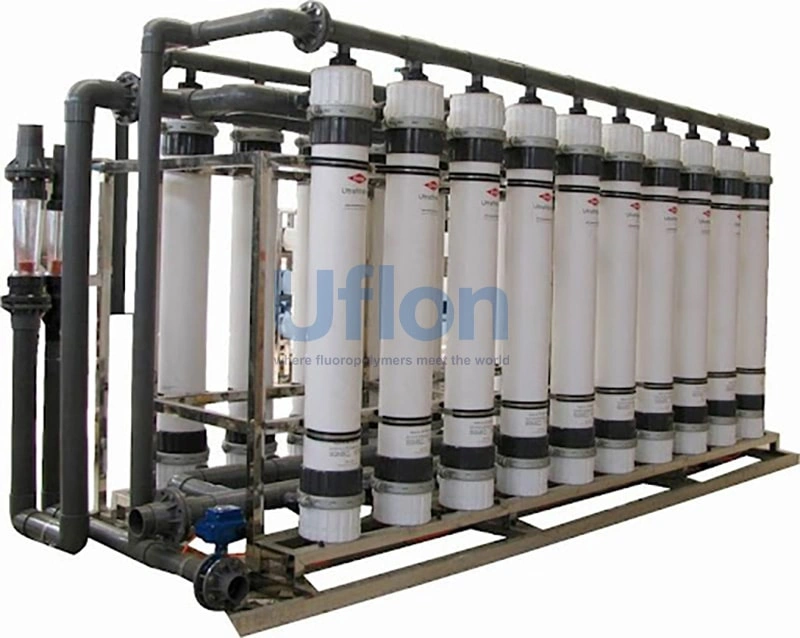
PFA is also used in the manufacture of environmental protection equipment such as filters and separation membranes. Its excellent chemical resistance and temperature resistance enable these devices to maintain high efficiency and stable performance when treating various pollutants.
Conclusion
PFA material, as a high-performance fluoroplastic, offers a wide range of processing methods for its application in various fields. Currently, PFA made in China is making continuous breakthroughs and becoming an alternative choice for more and more customers, significantly improve the cost-effectiveness to further expand market competitiveness.
For more information on alternative PFA options, please contact Uflon.
100 meters northwest of Changiiafang Village Committee, Gaoging County, Zibo City, ShandongProvince
Copyright © 2025 by Zibo Uflon New Material Technology Co., Ltd. All Rights Reserveds
Privacy Policy