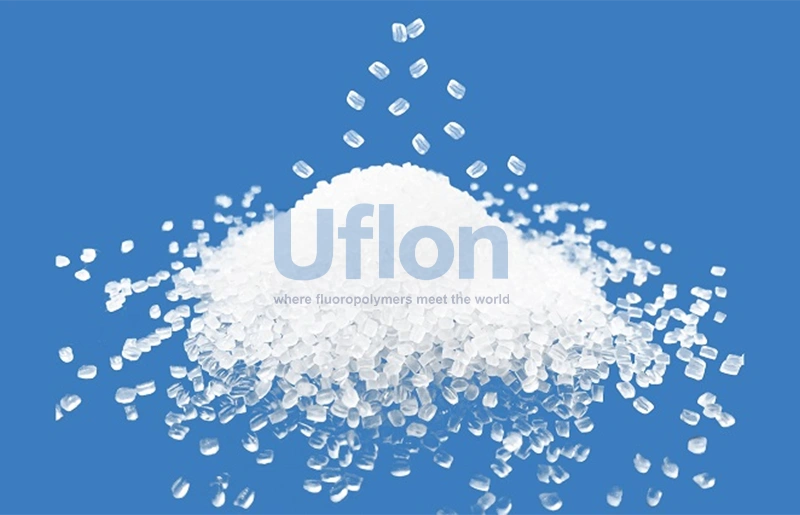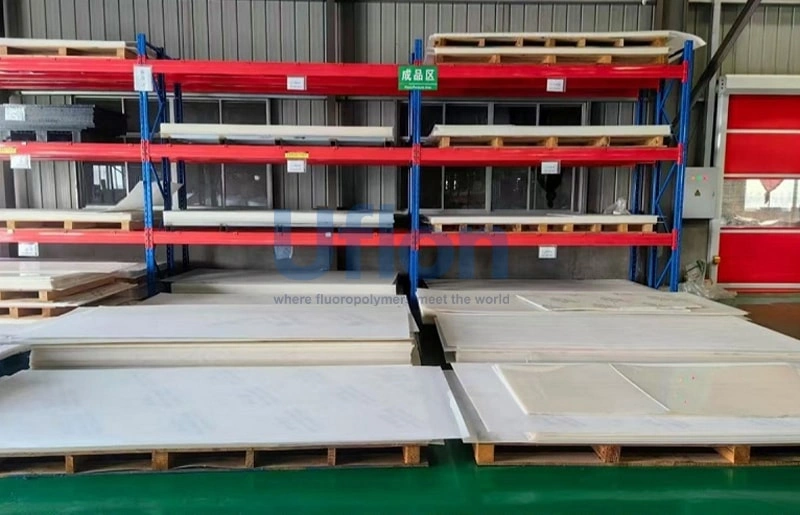
Fluoropolymer, with their outstanding corrosion resistance, high temperature resistance, low friction coefficient and excellent electrical insulation, have become key materials in high-end fields. The Fluoropolymer 3D Printing opens up a brand-new track for the application of fluoropolymer, making the manufacturing of high-performance components with complex structures no longer limited by traditional processes.
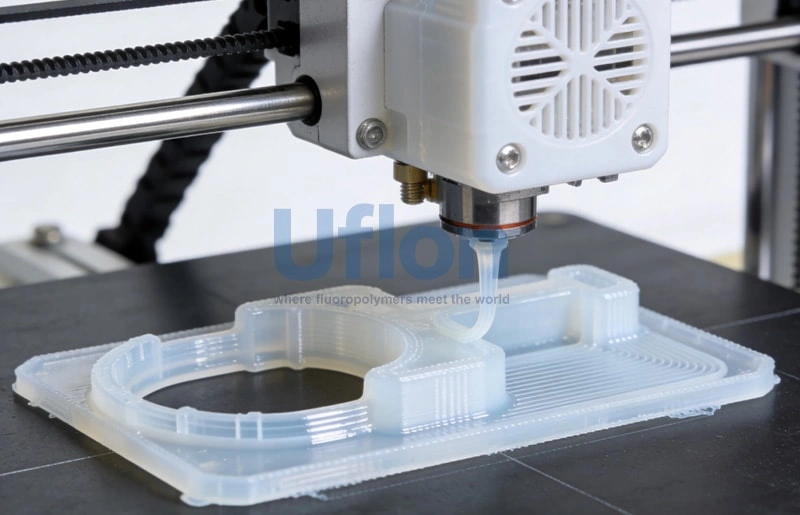
Traditional fluoropolymer molding relies on molds. For components with complex shapes and small order quantity, the cost high will be very high, and performance may also be compromised due to the difficulty of processing. The greatest advantage of Fluoropolymer 3D Printing is that it breaks the limitations of traditional processing methods. 3D printing can directly fabricate fluoropolymer products with complex structures such as hollow and irregular flow channels through layer-by-layer stacking. It is particularly suitable for customized demands in fields like aerospace, semiconductors, and medicine. For instance, in semiconductor manufacturing, 3D printed fluoropolymer wafer carriers can precisely match the wafer size, and by leveraging the material's chemical resistance, they can resist the erosion of etching solutions, thereby enhancing production stability.
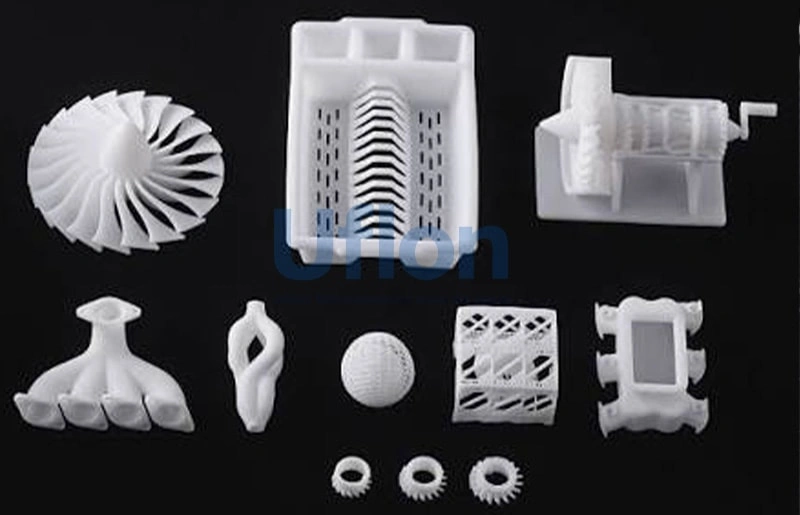
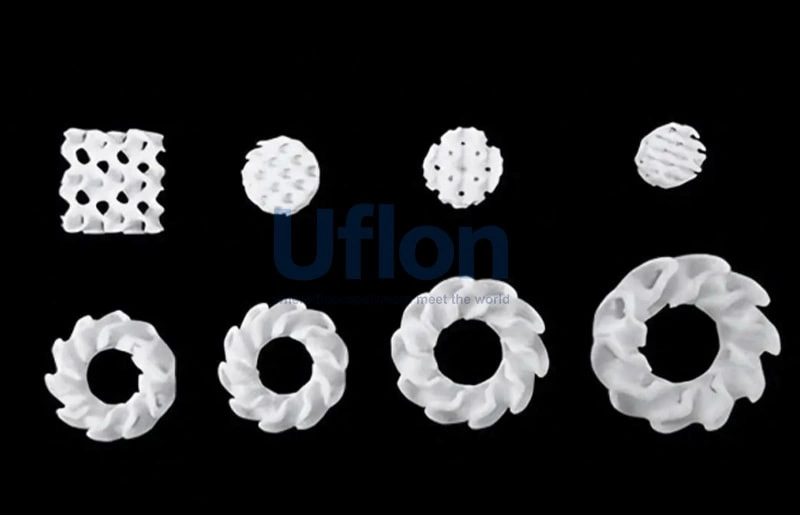
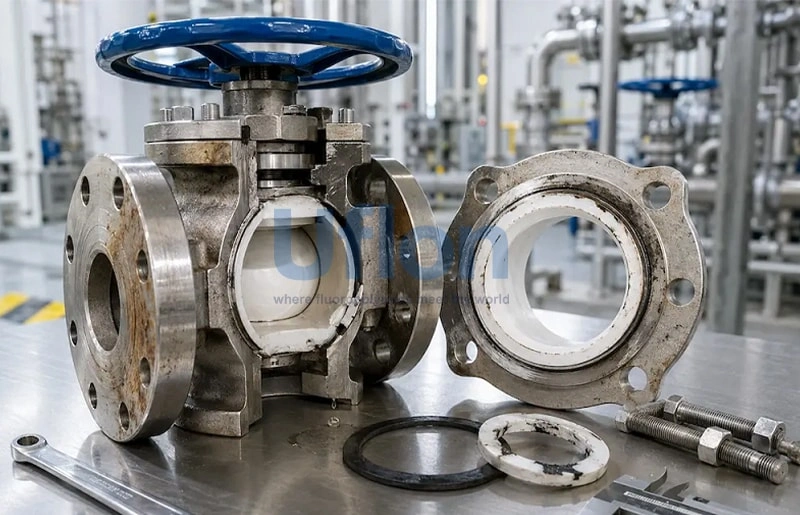
In terms of application scenarios, Fluoropolymer 3D Printing has demonstrated strong potential. In the future, in the chemical industry, printable high-pressure-resistant fluoropolymer valves and pipe joints can be produced, addressing the leakage risks caused by traditional welding techniques; in the medical field, taking advantage of the biocompatibility of fluoropolymers, 3D-printed customized implant devices or drug delivery components can reduce patients' rejection reactions; in the new energy sector, for hydrogen pipelines of fuel cells, 3D-printed fluoropolymer components can simultaneously meet the requirements of hydrogen resistance, low permeability and lightweighting, helping to miniaturize hydrogen energy equipment; in the automotive industry, 3D-printing of fluoropolymers also performs well, for example, in the power system, printable high-temperature-resistant and oil-resistant fluoropolymer seals and gaskets can be produced, suitable for the complex spatial structures inside engines, improving sealing performance and reducing the risk of oil leakage; in the transmission system, by leveraging the low friction coefficient characteristic of fluoropolymers, 3D-printed customized gear sleeves can be produced, reducing friction loss during the transmission process and improving transmission efficiency; for the battery cooling pipelines of new energy vehicles, 3D-printed fluoropolymer components can withstand the corrosion of coolant, while achieving complex pipeline layouts and enhancing cooling effectiveness.
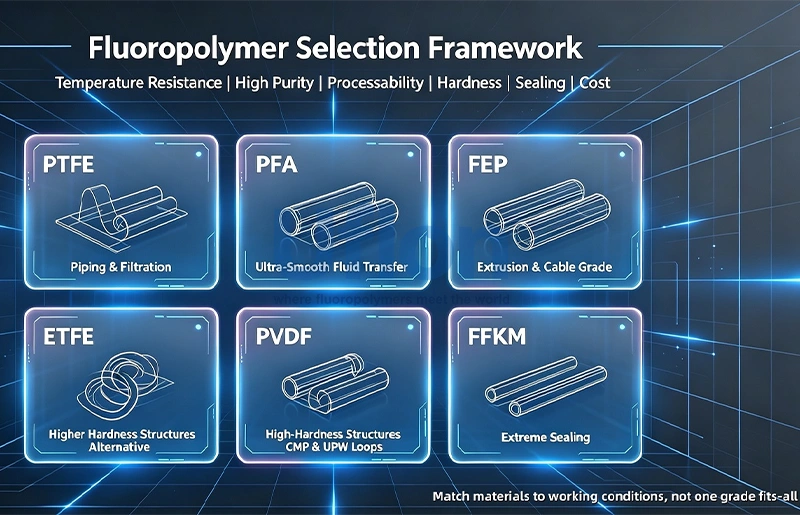
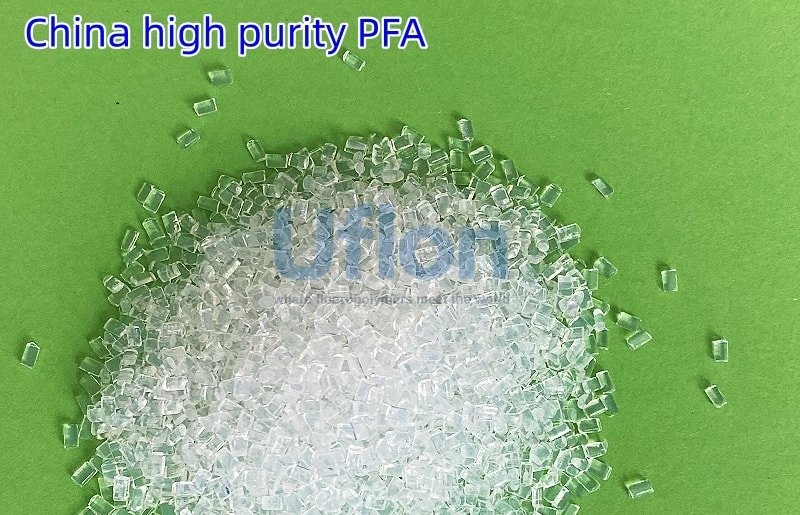
Currently, Fluoropolymer 3D Printing is undergoing rapid iterations. Considering the high melting point and unique fluidity of fluoropolymer in the molten state, the industry has developed corresponding processes such as fused deposition modeling (FDM) and selective laser sintering (SLS). Some enterprises have optimized the printing parameters to achieve a product density of over 95%, approaching the level of traditional processing. At the same time, the introduction of modified fluoropolymer filament and powder materials has further expanded the selection range of printing materials. For example, PTFE materials reinforced with glass fibers can enhance the structural strength of the printed components, meeting more stringent mechanical requirements.
If you’re needing fluoropolymers during 3D printing process, welcome contact Uflon to support.
100 meters northwest of Changiiafang Village Committee, Gaoging County, Zibo City, ShandongProvince
Copyright © 2025 by Zibo Uflon New Material Technology Co., Ltd. All Rights Reserveds
Privacy Policy