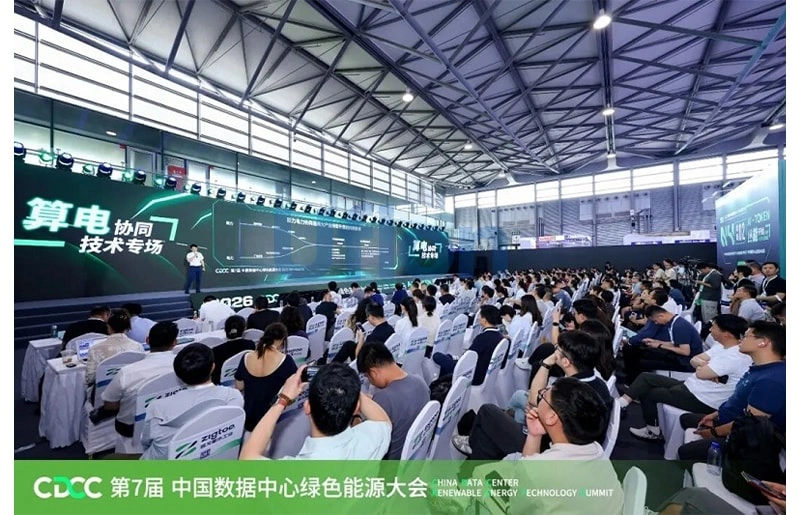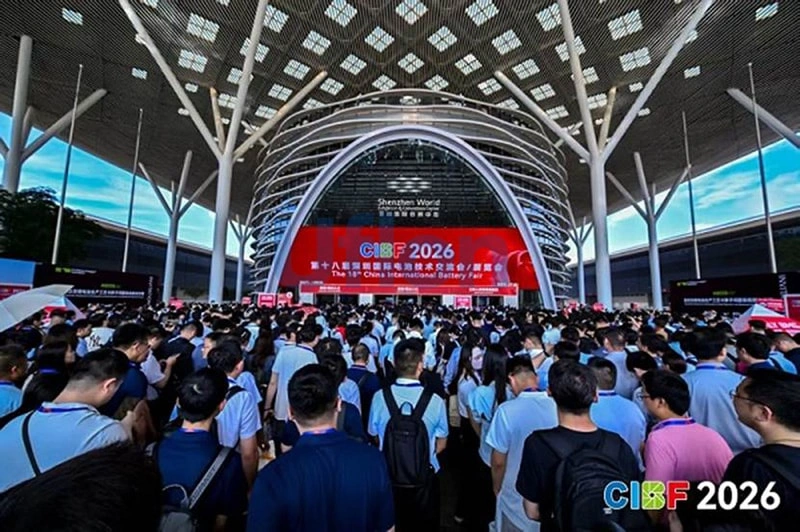
Watching short videos with full signal strength and no lag, new energy vehicles gain 200 kilometers of range with just 10 minutes of charging, and surgical robots in hospitals perform operations with precision—these conveniences brought by modern technology are all inseparable from a "behind-the-scenes hero": FEP resin.
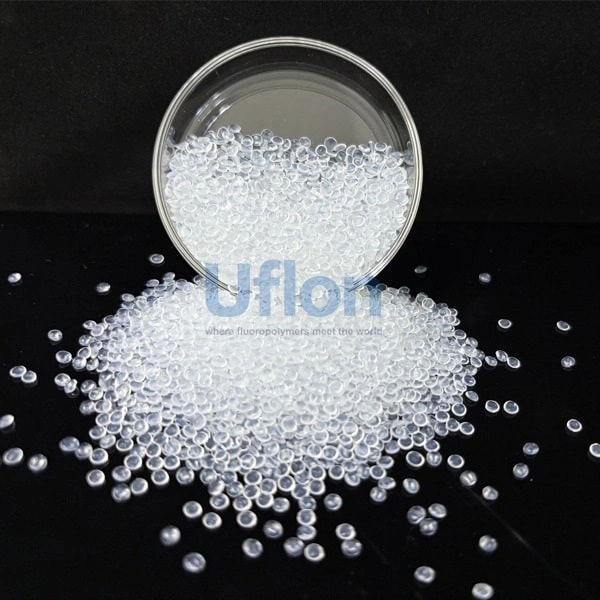
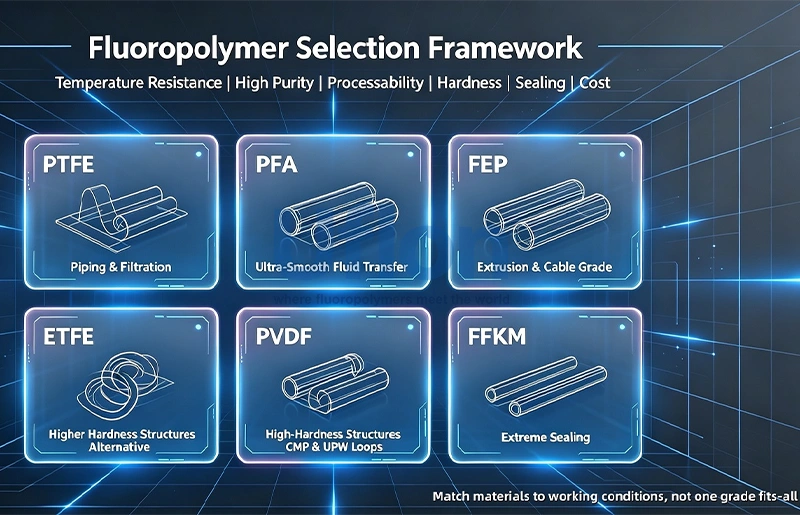
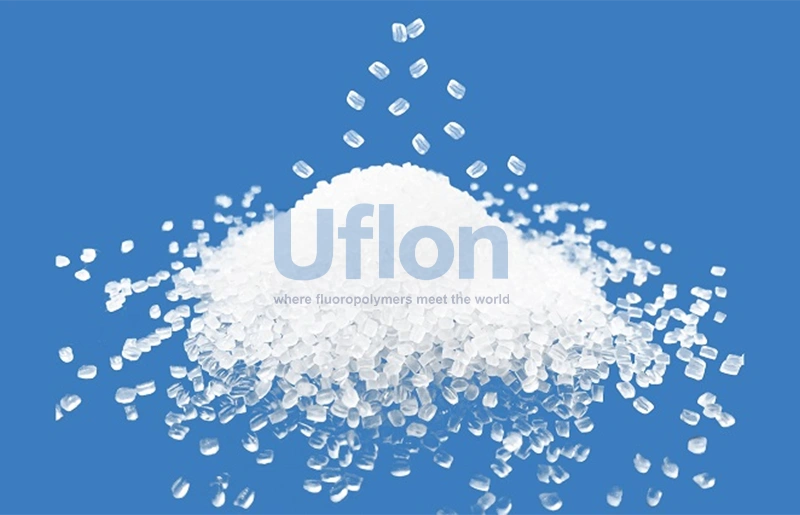
FEP resin is an upgraded version of the "king of plastics" PTFE. We all know that PTFE is resistant to acids and alkalis and is not afraid of high temperatures, but it does not melt when heated and is difficult to process. However,FEP perfectly retains the advantages of PTFE and unlocks the new skill of "melting". It can be made into films, pipes, insulation layers and other forms using thermoplastic molding processes like ordinary plastics.
Application Scenarios
Specialty cables often operate in extreme environments: subway tunnels are humid and stuffy, with summer temperatures soaring above 40°C; cables in deep oil wells need withstand high temperatures and pressures, and resist crude oil corrosion; while cables in photovoltaic power stations must remain stable under intense sunlight and torrential rain. Ordinary plastic insulation layers either soften at high temperatures or leak electricity when damp, they can not withstand these harsh conditions.
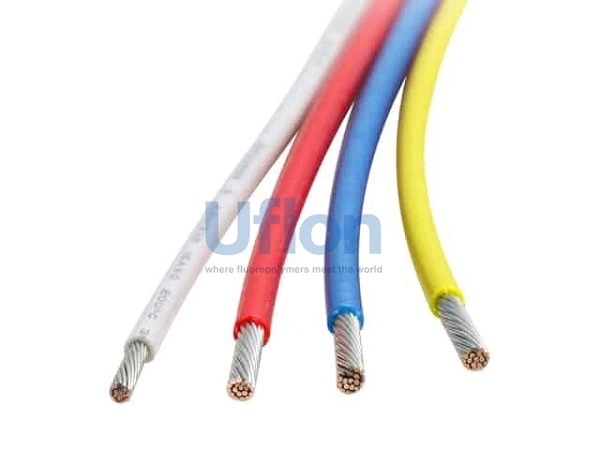
FEP cable insulation perfectly meets all the essential needs: its insulation is virtually unaffected even in high-frequency environments, ensuring stable signal transmission. For example, using FEP in the feeder of a 5G base station can improve signal coverage by 15%; its resistance to high and low temperatures allows it to function normally in the frigid winters of northern China at -40°C and in industrial workshops at 120°C; and more importantly, it is corrosion resistant, unaffected by crude oil in oil fields or acid and alkali fumes in chemical plants.
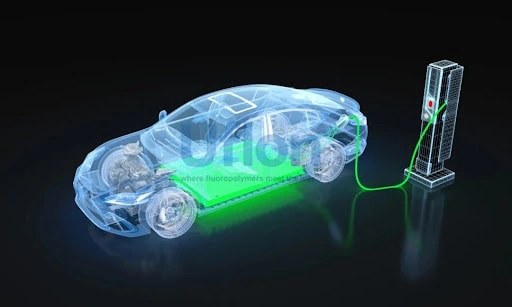
For new energy vehicles, the battery is the "heart," and FEP is the "armor" that protect the heart. The electrolyte inside the battery is highly corrosive, ordinary material pipes will quickly corrode and leak, causing safety hazards. Using FEP resin for the battery's electrolyte delivery pipes and seals not only withstands electrolyte corrosion but also remains stable in the frigid winters of -40°C in northern regions and charging high temperatures under 60°C, extending battery life by 20%.
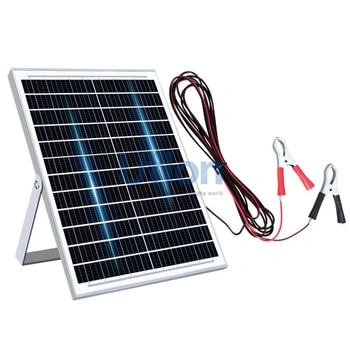
In photovoltaic power plants, FEP plays a crucial role also.In outdoors, photovoltaic panels endure exposure to intense sunlight, torrential rain, and hail. If the insulation layer of the internal conductors were made of ordinary plastic, it would age and crack in less than a year. However, the insulation layer made of FEP resin is resistant to ultraviolet radiation and extreme temperatures, extending the lifespan of photovoltaic conductors from 3 years to 25 years, perfectly matching the lifespan of the photovoltaic panels and significantly reducing maintenance costs.
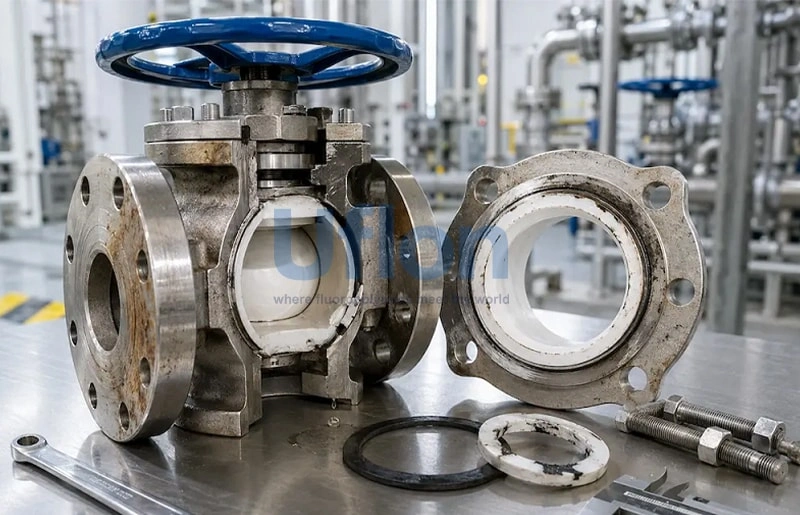
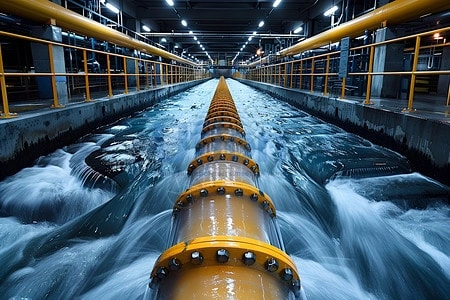
In fields such as chemical, electroplating, and marine engineering, highly corrosive liquids like sulfuric acid, hydrochloric acid, and hydrofluoric acid can corrode and perforate stainless steel pipes and cause leaks in metal storage tanks, wasting raw materials and potentially leading to safety accidents. FEP resin is the "ultimate weapon" against corrosion. Its chemical stability is extremely high, the most common practice in industry today is “wearing”FEP to metal equipment.
In chemical plants, reaction vessels are lined with a layer of FEP to withstand corrosion from high-temperature reactions and prevent raw materials from being contaminated by metal. Pickling tanks in electroplating workshops are made of FEP, eliminating concerns about acid leaks corroding the ground. Even oil pipelines on offshore platforms rely on FEP coatings to resist long-term seawater erosion, extending their service life from 3 years to over 15 years.
Conclusion
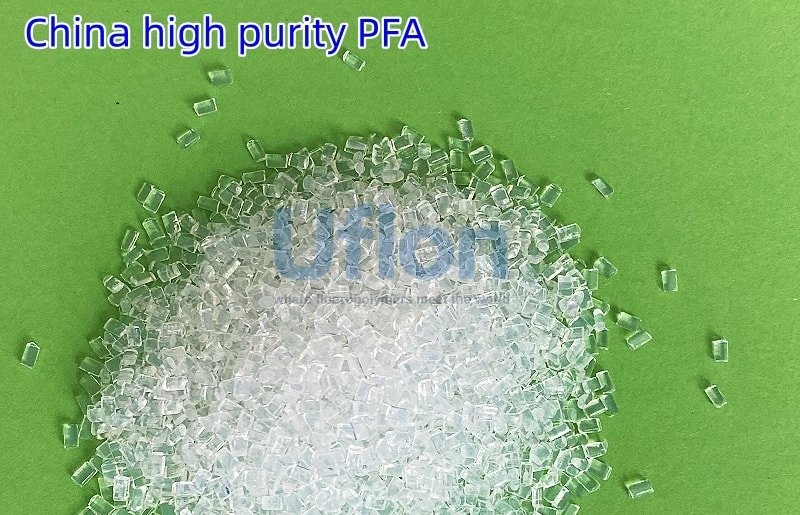
FEP resin, with its excellent corrosion resistance, high and low temperature resistance, and electrical insulation properties, forms the backbone of modern technology in core fields such as communications, energy, and chemicals. China FEP resin has reached internationally advanced quality and is highly competitively priced. It not only meets the needs of domestic 5G base stations and new energy vehicle manufacturers but is also exported to Europe, America, and Southeast Asia, establishing a firm foothold in the international market.
As a professional and service-oriented fluoropolymer manufacturer, Uflon specialized in high-performance FEP supply and technical support,meet the environmental requirements and global standards.
100 meters northwest of Changiiafang Village Committee, Gaoging County, Zibo City, ShandongProvince
Copyright © 2025 by Zibo Uflon New Material Technology Co., Ltd. All Rights Reserveds
Privacy Policy