When it comes to coloring Injection Molding products, masterbatches are indispensable. By mixing the masterbatch with plastic raw material and then melting and injection molding, the colored plastic parts then be formed. However, after adding masterbatches, there are various appearance defects often occur. The following is an analysis of common problems and solutions.
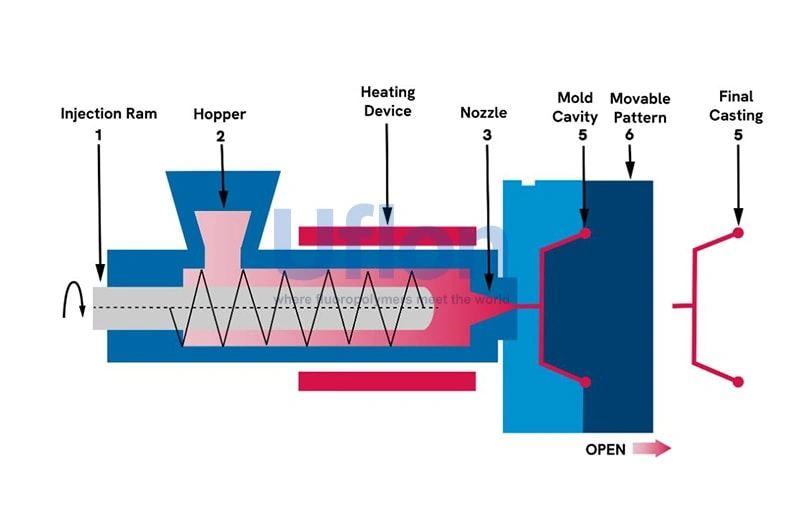
1.The defect mainly shows as pigment stripes on the surface of plastic products under light, which greatly affects the appearance quality.
● Material and equipment aspects: Improper injection temperature will cause insufficient mixing of masterbatch and plastic, so adjust the machine temperature to promote fusion. Insufficient back pressure weakens the mixing effect of the screw during injection molding, increasing back pressure properly can make the masterbatch disperse evenly. If the masterbatch has poor dispersion or the raw material is poorly plasticized, replace high-quality masterbatch and optimize plasticization conditions.
● Process adjustment: Appropriately raise the temperature at the feeding opening of the barrel and increase back pressure to enhance mixing. If the problem still exists after adjustment, there is incompatibility between the masterbatch and the plastic material. Please contact the masterbatch manufacturer for professional solutions.
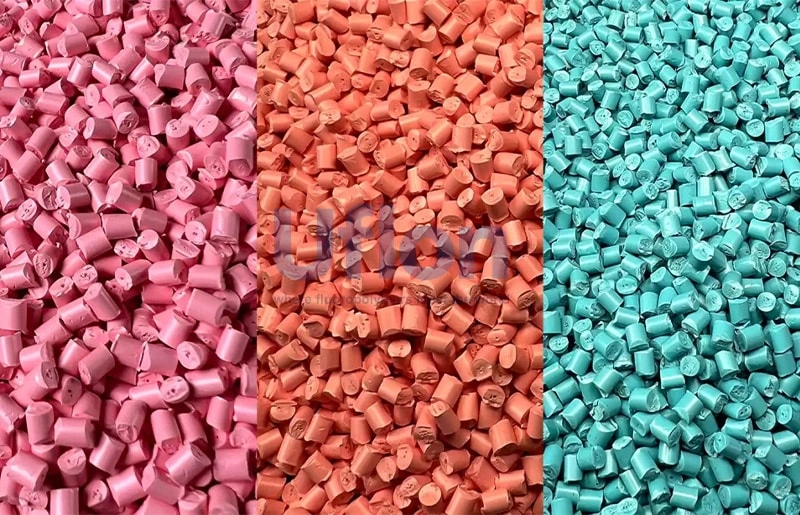
2.The products made with a certain colorant tend to crack.
After using certain masterbatches, plastic products tend to crack easily. This is usually caused by poor-quality dispersants and additives in the masterbatch, which lead to poor compatibility and weaken the mechanical properties of products. To solve the problem, use high-quality dispersants and additives to ensure full compatibility between the masterbatch and plastic materials without affecting product performance.
3.The color is too dark (light) after using it according to the color formula in the manual.
● Wrong masterbatch shade or abnormal pigment content: Check the masterbatch model and adjust the pigment proportion accordingly.
● Inaccurate dosing during mixing: Calibrate measuring tools and add the masterbatch strictly as required.
● Incompatibility between masterbatch and plastic material caused by improper carrier or random material replacement: Replace with matched masterbatch or suitable raw plastic.
● Improper injection temperature or excessive residence time of materials in the machine: Adjust the temperature settings and control the injection molding residence time to ensure stable coloring effect.
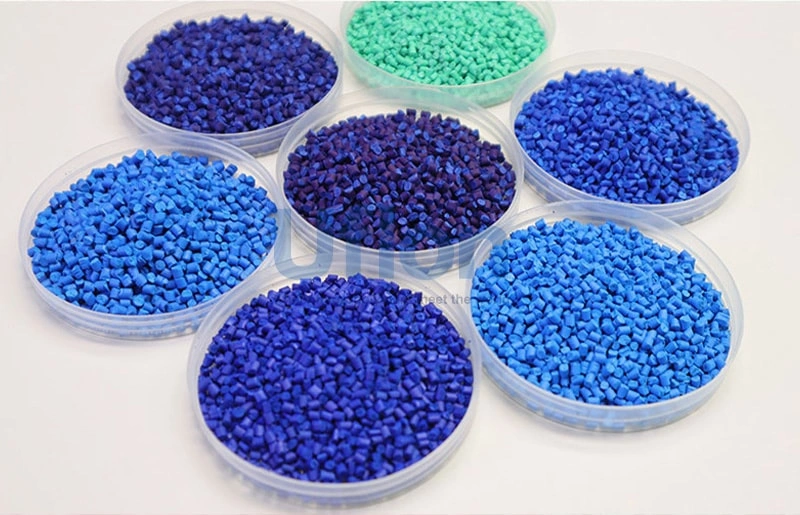
In conclusion, after adding masterbatches, various problems may arise during the injection molding process. By carefully analyzing the causes and taking appropriate solutions, we can effectively address these issues and ensure that the quality and appearance of the injection molded parts meet the requirements.
100 meters northwest of Changiiafang Village Committee, Gaoging County, Zibo City, ShandongProvince
Copyright © 2025 by Zibo Uflon New Material Technology Co., Ltd. All Rights Reserveds
Privacy Policy